Health & Safety Policy — Commercial Waste Removal Feltham
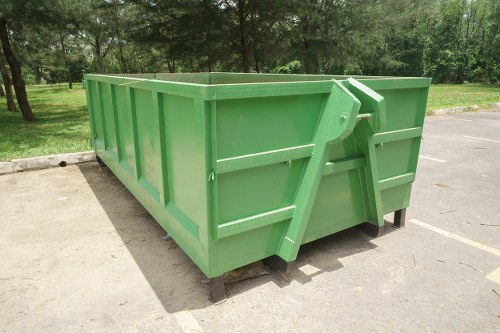 This Health and Safety policy establishes the standards and responsibilities for our commercial waste removal operations. It applies to all aspects of our commercial waste removal and rubbish collection activities undertaken for business clients across the service area. The policy outlines commitments to risk assessment, safe systems of work, compliance with statutory duties and continuous improvement. It emphasises prevention of injury, protection of health and the safe handling and transfer of waste materials, whether general refuse, construction debris or segregated recyclable streams.
To deliver consistent, safe service, management will provide adequate resources and maintain documented procedures for routine and non-routine tasks. Supervisors and drivers must follow and enforce those procedures during every shift. Employees and contractors are required to cooperate with safety measures and to report hazards promptly. The provider expects every team member to practise safe manual handling, use appropriate personal protective equipment and follow traffic management rules when conducting rubbish removal Feltham activities.
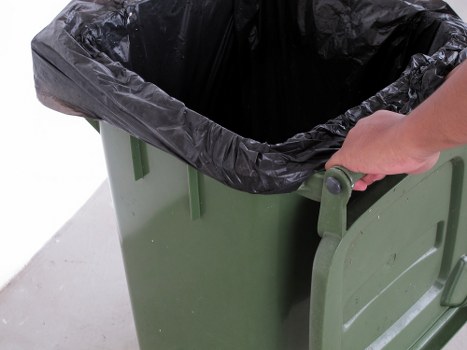 The principal objectives are to reduce exposure to harm, prevent environmental incidents and to ensure legal compliance for all commercial rubbish collection operations. This includes maintaining records of risk assessments, training, vehicle and equipment inspections and waste transfer documentation. The policy supports systematic segregation of streams, correct labelling of regulated materials and control measures for substances that may present health risks, without placing unnecessary burden on clients or on-site staff.
Responsibilities, Risk Assessment and Control
Senior management retains ultimate accountability for health and safety and will ensure that roles and responsibilities are clearly assigned. Operational leaders must ensure that risk assessments are current and that method statements for tasks such as skip loading, compactor operation and dismantling of temporary storage are followed. Employees must take reasonable care for their own safety and for others. The organisation adopts a policy of proactive risk management, ensuring hazards are identified early and controls applied consistently during commercial waste removal activities.
Routine risk assessments will consider manual handling, vehicle movements, working at the roadside, use of plant and potential exposure to hazardous materials. Where risks remain after mitigation, suitable controls such as mechanical aids, exclusion zones and refresher training will be implemented. 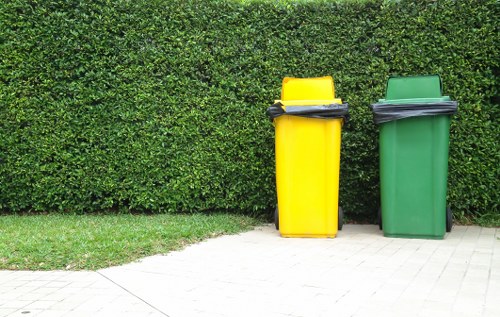 Records of risk controls will be reviewed following changes in work practices, introduction of new equipment, or any incident that suggests procedures need revision. This ensures waste removal services remain safe and effective.
Specific duties and expectations include the following:
- Management: maintain policy, provide resources and ensure contractor oversight;
- Supervisors: brief crews, monitor compliance and close out corrective actions;
- Operational staff: use issued PPE, follow safe systems and report near-misses promptly.
Training, Equipment, Hazardous Materials and Review
Competence is assured through induction, task-specific training and periodic refresher sessions covering vehicle operation, safe lifting, containment and segregation. All employees receive instruction on the safe use of lifting equipment and on procedures to prevent ergonomic injury. Training records are maintained and evaluated to ensure crews remain qualified for the roles they perform in commercial rubbish removal operations that may include bulky item collections or scheduled trade waste pickups.
 Personal protective equipment will be supplied where risks are not eliminated by other controls. PPE may include high-visibility clothing, gloves suitable for the materials handled, protective footwear and eye protection. Drivers and loaders are required to conduct pre-shift vehicle checks covering lights, brakes, lifting mechanisms, containment integrity and load security. Equipment maintenance and inspection records are retained to demonstrate that vehicles and mechanical aids are fit for purpose and safe to operate.
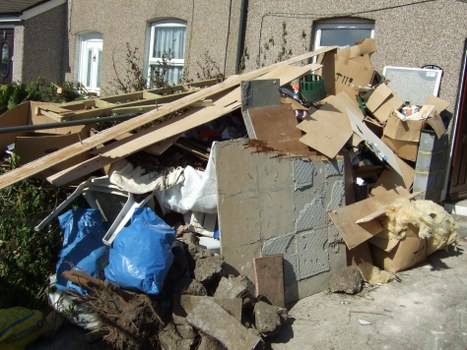 Hazardous and controlled wastes encountered during collections must be segregated and handled only by trained staff in line with statutory obligations. Procedures cover identification, labelling, authorised containment and safe transportation. Incident reporting and investigation procedures require prompt reporting of accidents and near-misses with root cause analysis and corrective actions. The policy includes monitoring through audits, performance indicators and scheduled policy reviews to ensure the health and safety approach remains current, proportionate and effective for commercial waste removal in the service area.
Monitoring includes regular site inspections, audits of vehicle checks and review of incident trends. Key performance indicators such as incident frequency, days lost to injury and corrective action closure rates will be tracked. Lessons learned are communicated across teams and used to update procedures and training. Corrective and preventative actions are implemented promptly and their effectiveness verified to reduce recurrence.
This policy will be reviewed at defined intervals or following material change in operations, legislation or following an incident that identifies shortcomings. The review process ensures the policy remains a practical, living document that supports safe, reliable, lawful and responsible commercial waste collection and rubbish removal services while protecting employees, contractors, clients and the general public.
All personnel engaged in waste removal activities are expected to read, understand and adhere to this policy. Non-compliance will be addressed through established disciplinary or remedial procedures, and continuous improvement will be sought through engagement, training and effective leadership. The commitment to health and safety underpins every aspect of our waste management operations.
