TW14 household rubbish removal guide for Feltham estates
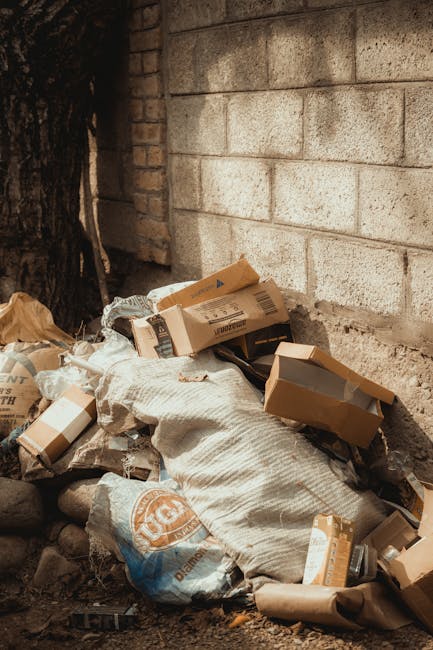
If you live on one of the Feltham estates in TW14, household rubbish can build up faster than you expect. A broken chair ends up in the hallway, the loft turns into a storage swamp, and suddenly the back gate, stairwell, or shared path is doing all the heavy lifting. This TW14 household rubbish removal guide for Feltham estates breaks the whole process down in plain English, so you can clear space without creating a bigger mess, upsetting neighbours, or making avoidable mistakes. Truth be told, estate clearances are rarely just about lifting bags. They are about timing, access, sorting, safety, and knowing what should be recycled, reused, or handled separately.
In this guide, you will find the practical steps, common pitfalls, local considerations, and a simple way to decide whether a full clearance service, a smaller collection, or a mixed rubbish removal approach makes the most sense. I have also included a checklist, a comparison table, and a realistic example to help you picture how it all works in the real world. Because that is usually what people need, isn't it? Not theory. Just a clear plan.
- Why it matters
- How it works
- Key benefits
- Who it is for
- Step-by-step guidance
- Expert tips
- Common mistakes
- Tools and resources
- Law, compliance and best practice
- Options and comparison
- Real-world example
- Checklist
- Conclusion
- Frequently asked questions
Why TW14 household rubbish removal guide for Feltham estates Matters
Estate living changes the rubbish-removal equation. A typical house move or clear-out might involve a driveway and an open front door. On Feltham estates, you may be dealing with tighter parking, communal entrances, shared corridors, and neighbours coming and going all day. That means household rubbish removal needs a bit more thought than simply piling everything outside.
Why does this matter so much? Because the wrong approach can create extra work for everyone. Bags left in the wrong place can block access. Loose items can attract complaints. Bulky waste can damage shared walls or flooring. And if you are clearing old furniture, appliances, or mixed waste, you can easily end up with items that need special handling. To be fair, the last thing anyone wants is a half-finished pile sitting there in the rain by 8 a.m.
There is also a broader local angle. Estate residents often need a service that is quick, tidy, and respectful of shared spaces. That usually means the best rubbish removal plan is the one that keeps disruption low and finishes in one visit where possible. For larger household jobs, that can be a serious time-saver.
Practical takeaway: on Feltham estates, good rubbish removal is as much about courtesy and planning as it is about lifting waste. If you get those parts right, the rest is much easier.
How TW14 household rubbish removal guide for Feltham estates Works
Household rubbish removal on an estate usually follows a simple pattern, even if the job itself feels complicated. First, you identify what needs to go. Then you separate the items by type: general household rubbish, bulky furniture, electrical appliances, garden waste, or anything potentially hazardous. After that, you decide whether the waste can go as part of a single collection or whether it needs to be split into categories.
The practical process often looks like this:
- Walk through the property and note everything that needs removing.
- Sort by material and type so you know what can be recycled, reused, or needs special disposal.
- Check access such as stairs, lifts, bin stores, narrow paths, or parking restrictions.
- Choose the right clearance option based on volume, urgency, and item type.
- Book a time slot that suits estate routines and avoids peak disruption.
- Remove items carefully, protecting communal areas and keeping noise low where possible.
- Finish with responsible disposal so the rubbish is handled properly and any recyclable material is diverted away from landfill where possible.
A useful comparison can be made with a typical house clearance. In many estates, the job is less about one huge pile and more about moving several smaller loads through a shared environment. That is why a structured approach matters. It keeps the job neat. It also keeps relationships with neighbours intact, which is one of those small things that suddenly matters a lot when the lift is busy and everyone is trying to get to work.
If the job is part of a bigger home tidy-up, you may find home clearance support useful, while larger or fuller properties may be better suited to house clearance. For mixed bulky items, a dedicated waste removal service is often the simplest route.
Key Benefits and Practical Advantages
The biggest advantage of organised household rubbish removal is simple: you get your space back. But in estate settings, there are a few extra benefits worth spelling out.
- Less clutter in shared spaces: no one likes seeing bags, broken furniture, or old appliances left in corridors or by bin stores.
- Faster turnaround: a focused removal plan can clear a room, flat, or storage area in one go.
- Lower stress: you do not have to worry about multiple tip runs, lifting heavy objects, or wondering where each item should go.
- Better recycling outcomes: separating items properly gives more material a chance to be reused or recycled.
- Safer moving conditions: clearing trip hazards, old mattresses, or loose debris reduces the risk of accidents.
- Less strain on neighbours: a tidy, quiet, respectful process tends to go down better on estates, especially in the morning or late afternoon.
There is another practical point too. If you are preparing a property for rent, sale, or a family handover, a clean and empty space makes every next step easier. Estate properties often have their own rhythms and pressures, so a tidy reset can feel like a relief. Small thing, big effect.
For awkward items such as worn sofas or beds, it may help to look at mattress and sofa disposal. If appliances are involved, fridge and appliance removal can be a better fit than general rubbish collection.
Who This Is For and When It Makes Sense
This guide is for anyone living in, moving out of, or managing household waste on Feltham estates in TW14. That includes tenants, homeowners, landlords, family members helping with a clear-out, and even people dealing with a suddenly overloaded spare room after years of "I'll deal with it later." We have all been there, honestly.
It makes sense to use a structured rubbish removal approach when:
- you have bulky waste that will not fit in standard bins;
- shared access means you cannot just leave waste outside;
- you need the property cleared quickly before a move, inspection, or handover;
- there are mixed items, such as furniture, packaging, small appliances, and general waste;
- you are sorting an inherited property or helping a relative downsize;
- the waste includes items that need careful handling, such as refrigeration units or anything that could be hazardous.
In practice, a lot of people only realise they need help once the job starts. One bag becomes five. A wardrobe turns out to be too large to shift safely. The bin store is already full. That is usually the moment people start looking for a proper solution rather than another improvised plan.
For smaller flat-based clear-outs, flat clearance can be more relevant. If the job is simply about removing old furniture, furniture clearance or furniture disposal may be enough.
Step-by-Step Guidance
Here is the part most people want: what to actually do.
- Start with a room-by-room sweep. Do not begin with the front pile. Start indoors and work methodically. Note anything broken, bulky, damp, sharp, electrical, or simply not worth keeping.
- Split items into sensible groups. General rubbish, recycling, furniture, electricals, textiles, and anything questionable should not all be mixed together unless the service is set up for that.
- Measure the obvious awkward stuff. A sofa, bed base, fridge, or tall cabinet may look manageable until you reach the stairwell. A quick measurement saves a lot of swearing later.
- Check access in the building. Is there a lift? Is the bin area locked? Are there narrow turns or shared entrances? Estate access changes everything.
- Put fragile or messy items aside. Broken glass, leaking liquids, sharp metal, and dusty loft waste need a separate plan.
- Decide whether you need one visit or staged removal. A single visit is ideal, but sometimes a larger clear-out works better in two sections.
- Book a suitable slot. Choose a time when parking, lift use, and neighbour movement are likely to be calmer. Mid-morning can often work well, though that depends on the estate.
- Prepare the items before collection. If safe to do so, remove loose contents, tape drawers shut, or flatten boxes. It speeds things up.
- Keep pathways open. Corridors, staircases, and doors should stay clear. That is not just neat; it is safer.
- Confirm disposal expectations. Ask how the rubbish will be handled and whether anything reusable or recyclable will be separated.
A small but useful tip: if you are clearing multiple rooms, label piles by room or category. It sounds a bit fussy, maybe, but it stops confusion when everything starts moving at once. One label on a box can save ten minutes of back-and-forth. And ten minutes feels like a lot when you are standing in a hallway with a kettle on and a freezer unit in the way.
Expert Tips for Better Results
The biggest improvements usually come from small decisions made before the collection begins. Here are the habits that make estate rubbish removal smoother.
- Clear the easiest items first. This gives you momentum and makes the space feel less overwhelming.
- Keep heavy items low and stable. Do not stack unsafe piles in communal areas. It is just not worth it.
- Separate anything reusable. A chair, lamp, or table in decent condition may be better treated as furniture for disposal or donation-style reuse, depending on the route you choose.
- Move with the estate layout in mind. Shared stairwells and corners are where damage tends to happen.
- Protect the floors if needed. Old sheets, cardboard, or a temporary runner can help when moving bulky items indoors.
- Ask about recycling upfront. The more you know before the job starts, the fewer surprises you get later.
If you have items that are awkward but still useful, it can help to think in categories rather than just "junk." For example, a worn but serviceable table might go one way, while a water-damaged wardrobe goes another. That kind of judgement matters because it keeps disposal cleaner and often cheaper too.
Expert summary: the best rubbish removal jobs are usually the boring ones. Planned, sorted, tidy, and done without drama. Boring is good here.
Common Mistakes to Avoid
Most rubbish-removal problems are preventable. The same errors come up again and again, especially on estates where space is tight and everyone notices what is happening.
- Leaving waste in shared spaces too early. It can create obstruction, complaints, or even safety issues.
- Mixing hazardous or electrical items with general rubbish. That is where delays and compliance headaches start.
- Underestimating volume. A few bags become a boot-load, then a small mountain. It happens more than people think.
- Not checking access first. A great plan can fall apart if the item will not fit through the hallway or around the stair turn.
- Forgetting about damp, broken, or leaking items. These need extra care and should be treated cautiously.
- Assuming every item can be put in the same load. Not always true, and it is better to separate properly than to guess.
One of the most common slips is simply rushing the job. Estate waste removal rewards patience. A careful five-minute sort can save an hour later. Not glamorous, I know, but very real.
Tools, Resources and Recommendations
You do not need a van full of equipment to organise a household rubbish clear-out, but a few simple tools help enormously.
- Heavy-duty bags for lightweight general waste and soft materials.
- Labels or marker pens for sorting by room or category.
- Tape to secure drawers, doors, or loose packaging.
- Gloves for handling rough, dusty, or sharp items.
- Measuring tape for furniture and tight access routes.
- Cardboard or floor protection if items need moving through indoor communal areas.
On the service side, a few pages can help you choose the right route. If you are comparing prices or want a clearer idea of the process, take a look at pricing and quotes. If your priority is understanding disposal responsibility and the overall service journey, recycling and sustainability is worth reading too.
For households dealing with a broader clutter problem rather than just rubbish, loft clearance and garage clearance can be especially helpful. Those spaces tend to hide more than people expect. Boxes, old paint tins, Christmas decorations, broken chairs, half-finished projects... you know the sort.
Law, Compliance, Standards, or Best Practice
When rubbish is leaving a home, it should be handled responsibly. In the UK, that means paying attention to waste type, safe handling, and proper disposal routes. I will keep this plain, because the details can get dry very quickly.
For household rubbish removal, the main best-practice points are:
- Do not place hazardous items with normal household waste. Items such as chemicals, certain paints, or other risky materials need separate handling.
- Keep electrical items appropriate for their category. Fridges, freezers, and other appliances can need different treatment from ordinary furniture.
- Make sure waste is handled by a suitable, responsible service. That matters for both safety and traceability.
- Protect shared areas. In estate settings, you should be careful not to damage lifts, walls, doors, or communal flooring.
- Be mindful of local rules and building management expectations. Estates often have their own access or waste-storage arrangements.
If you are dealing with anything potentially hazardous, use caution and do not improvise. hazardous waste disposal exists for a reason. The same applies to service standards around safety and security, which is why pages like health and safety policy, insurance and safety, and payment and security can be useful if you want to understand how a professional provider approaches the job.
One sensible rule of thumb: if you are unsure whether an item is normal rubbish, treat it as something that deserves a second look. Better safe than sorry. Not dramatic, just sensible.
Options, Methods, or Comparison Table
There are a few common ways to handle household rubbish on Feltham estates. The right one depends on what you need removed, how quickly, and how much access you have.
| Method | Best for | Advantages | Watch-outs |
|---|---|---|---|
| Self-loading and tip runs | Very small clear-outs, a few bags, or lightweight items | Can seem cheaper if you already have transport | Time-consuming, physically demanding, and awkward for bulky waste |
| Skip-based clearance | Larger projects with mixed waste in one place | Useful for ongoing clear-outs and renovation-style jobs | Needs space, access, and careful thought about what can go in a skip |
| Professional rubbish removal | Estate homes, bulky waste, time-sensitive jobs, mixed materials | Fast, tidy, and usually better for communal access | Needs clear instructions and sensible sorting for the best result |
| Specialist item removal | Fridges, mattresses, sofas, or hazardous items | Handled according to the item type | Not every item fits this route, so it may need to be combined with another method |
If you are comparing a skip with a collection service, it helps to understand what can go where. The page on what can go in a skip is a sensible companion read. Sometimes people assume a skip is the easy answer, only to discover the access or item mix makes a collection service much more practical. Happens all the time.
Case Study or Real-World Example
Here is a realistic example based on the kind of job people ask about on estates in TW14.
A two-bedroom flat needed clearing after a family member moved into smaller accommodation. The property had a broken wardrobe, an old sofa, a mattress, several bags of mixed household rubbish, a rusty bike, and a fridge in the kitchen that no longer worked. Access was through a shared entrance and a narrow stairwell. On paper, it looked simple. In reality, it needed a proper plan.
The first step was separating the items. The sofa and mattress were grouped together, general rubbish was bagged, and the fridge was set aside as a separate appliance item. The wardrobe needed to be dismantled to avoid damaging the stairwell. A short inspection of the route showed that one corner near the landing was especially tight, so items were carried one at a time rather than in a rush.
The result? The property was cleared in one organised visit, the communal area stayed tidy, and the family did not have to do multiple trips or worry about where to put a fridge. Small reliefs like that matter more than people expect. There is a moment, usually right at the end, when you can actually hear the place again. No clatter, no clutter. Just space.
That example also shows why it helps to use the right service pages for the right waste streams. Furniture-heavy jobs may suit furniture clearance, while appliance-heavy jobs may need fridge and appliance removal. The overall mixed load can still be managed, but the planning becomes much easier when each item type is identified early.
Practical Checklist
Use this before booking or starting the removal.
- Have I listed every room, cupboard, loft, garage, or storage space?
- Do I know which items are bulky, fragile, electrical, or potentially hazardous?
- Have I measured anything awkward, like sofas, wardrobes, or appliances?
- Is there enough access through hallways, stairs, lifts, and entrances?
- Have I checked parking or loading space near the building?
- Have I separated reusable or recyclable items from general rubbish?
- Do I need a clearance service, a specialist item removal, or a mixed waste solution?
- Have I planned the collection time around neighbours, school runs, or busy periods?
- Are any items leaking, broken, or sharp and therefore needing extra care?
- Have I kept communal areas clear and safe?
Quick reminder: if the job feels bigger than expected, that is usually because it is bigger than expected. No shame in that. Estate clear-outs have a way of growing arms and legs.
Conclusion
TW14 estate rubbish removal works best when you treat it like a small logistics job rather than a messy afterthought. Sort the waste, check the access, respect the shared space, and choose the right removal route for the items you actually have. That one bit of planning makes everything smoother, whether you are clearing a flat, a family home, a garage, or just a collection of awkward leftovers that have been quietly building up for months.
The good news is that once you understand the process, it becomes much less stressful. You do not need to tackle every item at once, and you certainly do not need to guess your way through the whole thing. A tidy estate clear-out is absolutely doable, even when the job looks a bit daunting at first glance.
If you are ready to move from planning to action, you can explore the right service options, compare the approach that suits your waste type, and book when the timing feels right for your household. That is often the moment the stress drops away. One step, then another. Simple enough.
Get a free quote today and see how much you can save.
And if you only take one thing away from this guide, let it be this: careful rubbish removal is not about doing more. It is about doing it properly, once, and getting your space back with less fuss.
Frequently Asked Questions
What is the best way to remove household rubbish from a Feltham estate flat?
The best method is usually a planned collection that matches the waste type and access conditions. On estates, shared entrances and stairwells make tidy, coordinated removal easier than ad hoc dumping or repeated small trips.
Can I leave rubbish in a communal area before collection?
Usually, that is not a good idea. Communal areas need to stay clear for access and safety, and leaving waste there too early can create complaints or block pathways. Keep items indoors until collection day whenever possible.
What items are usually treated as bulky household waste?
Common bulky items include sofas, mattresses, wardrobes, tables, chairs, and some appliances. If it is heavy, awkward, or too large for standard bins, it probably counts as bulky waste and should be handled carefully.
Do I need to separate furniture from general rubbish?
Yes, ideally. Sorting furniture separately helps with loading, disposal, and any recycling or reuse potential. It also makes it easier to identify items that need specialist handling, such as appliances or upholstered pieces.
Is estate rubbish removal different from house clearance?
It often is. Estate removal usually needs extra attention to shared access, neighbour impact, parking, and communal areas. House clearance can be broader, but estate logistics often make the job more structured.
What happens if I have a fridge or freezer to remove?
Fridges and freezers should usually be treated as separate appliance items. They can need specific handling because of their size and components, so it is better not to mix them into general waste without checking the right disposal route.
Can old mattresses and sofas go with general rubbish?
Not always. These items are often better handled through a service that deals with upholstered furniture or mattress disposal specifically, especially when the job involves multiple bulky items or mixed waste.
How can I avoid damaging shared areas during removal?
Measure the route, protect flooring if needed, move items carefully, and avoid rushing through corners or stair turns. Estate damage usually happens when people underestimate tight spaces or try to carry too much at once.
What if some of my rubbish could be hazardous?
Set those items aside and treat them separately. Anything potentially hazardous should not be mixed with ordinary household waste. If you are unsure, get clarification before the collection happens.
Is it worth booking a clearance service for just a few bags?
It depends on access, time, and whether the bags are the only waste. If you are on an estate with awkward parking or you have a mix of bags and bulky items, a professional collection can still be the easiest option.
How do I know whether skip hire or rubbish removal is better?
If you have space for a skip and a steady stream of waste, a skip may suit you. If the waste is mixed, bulky, or hard to move through estate access, a removal service can be more practical. The exact choice depends on your situation.
What should I prepare before the collection day?
Sort your items, measure the bulky bits, clear access routes, and keep communal spaces open. A little preparation saves time and helps the team work safely and efficiently. It also makes the whole thing feel less chaotic, which is nice for everyone involved.